Answer — Friday Foto Quiz #9

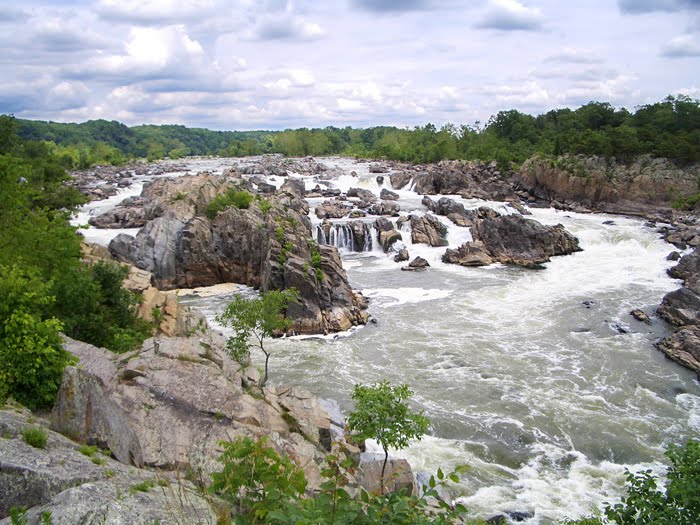
Did you guess the loca­tion of this water fall? The answer is below the pic­ture.

Great Falls Park is along the Potomac Riv­er in McLean, Vir­ginia. It is main­tained by the Nation­al Park Ser­vice but is not an offi­cial Nation­al Park. In 1784, George Wash­ing­ton pro­posed one of the first canals in this coun­try to bypass the falls look­ing to improve com­merce and trav­el up to the Ohio riv­er val­ley. High­er engi­neer­ing result­ed in improved lock tech­nol­o­gy and ear­ly use of black pow­der blast­ing in the con­struc­tion. It took 17 years to build the canal, which did­n’t work very well. Most of the year the water is too low or too high. The area still floods today.

In 1906, they built the Great Falls Amus­ment Park which exist­ed until 1952. The coun­ty main­tained a carousel until 1972 which was destroyed by Hur­ri­cane Agnes.

Today, it’s a great place for hik­ing, kayak­ing and rock climb­ing. Read more here: http://www.nps.gov/grfa/index.htm

After your hike, check out The Old Brogue Irish Pub on George­town Pike in the town of Great Falls for good beer, food and music. http://www.oldbrogue.com/

Thanks for play­ing.

Answer — Friday Foto Quiz

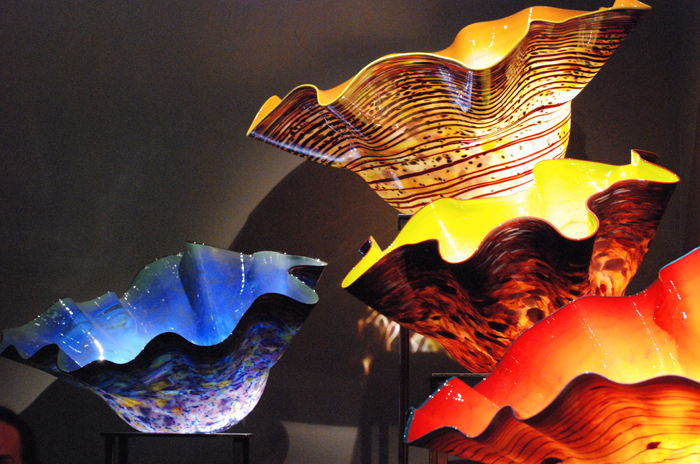
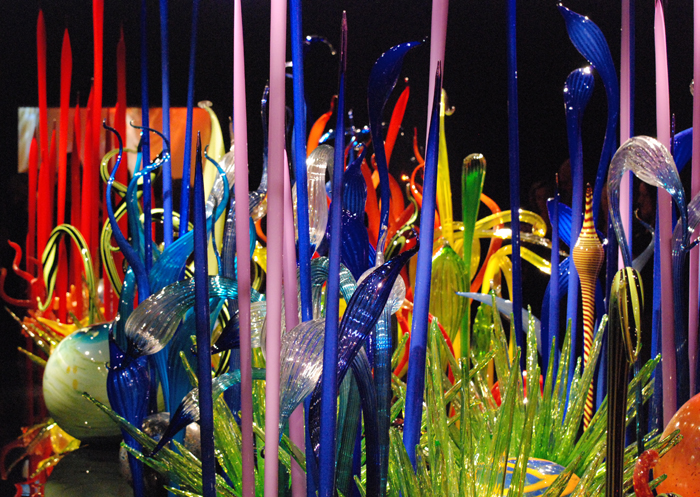
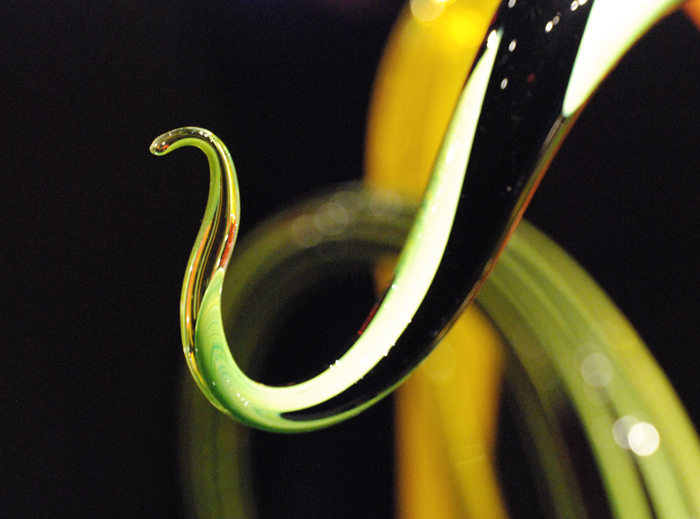
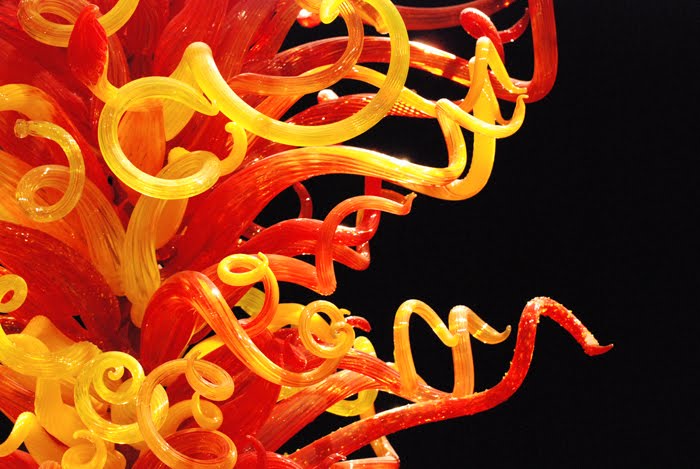
Crim­iny, it’s already Wednes­day and I am sup­posed to post on Mon­day! Well, the answer is that this is the glass work art of Dale Chi­hu­ly. His large scale sculp­tures are cre­at­ed by a team of glass blow­ers and are dis­played around the world. I have seen his dis­tinc­tive work hang­ing from the ceil­ing in Cae­sar’s Palace in Las Vegas and in the lob­by of the Palo Alto Med­ical Clin­ic in Moun­tain View.

There are excel­lent videos of his stu­dio work on his web site: http://www.chihuly.com/

These pic­tures were tak­en when his trav­el­ing exhi­bi­tion stopped at the DeY­oung Muse­um in San Fran­cis­co. Click the pic­tures for a larg­er view. Thanks for play­ing.

Answer — Friday Foto Quiz

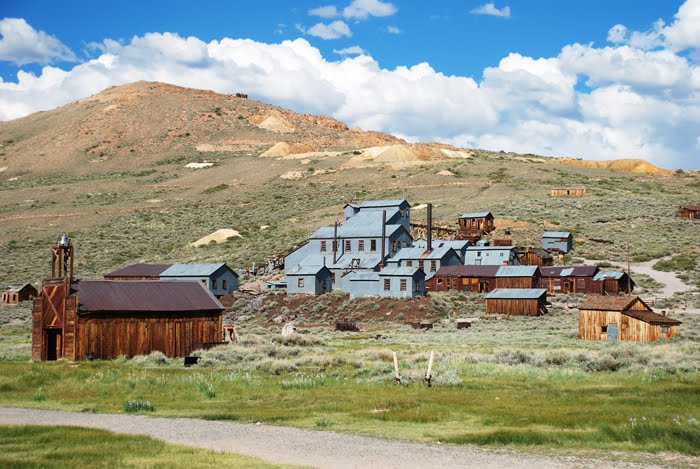
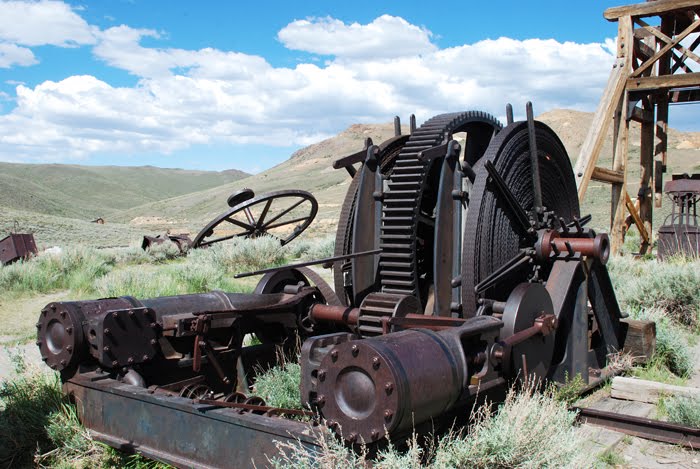
Bod­ie State Park, CA, is a gold min­ing town gone ghost. It is iso­lat­ed enough that the few peo­ple that nev­er left were able to main­tain the town in a state of arresst­ed decay and it is now a state park. Wan­der around the build­ings and look in the win­dows to see things as they were left when aban­doned. This is not a staged reen­act­ment but a snap­shot of life as it was. Just 13 miles east of 395 near Mono Lake, (the last 3 miles are dirt), this is a great place for his­to­ry buffs and pho­tog­ra­pher’s alike. Make a day of it, bring water, a hat and plan on walking/exploring a lot. http://en.wikipedia.org/wiki/Bodie,_California

Answer — Friday Foto Quiz

As Ken Burns puts it, Nation­al Parks are Amer­i­ca’s best idea. This under­ground Nation­al Park is Carls­bad Cav­erns, locat­ed in New Mex­i­co. I believe the for­ma­tion is named “Giant Dome” and resides in the Hall of Giants.

We vis­it­ed the cav­erns in July of 2007. I had just bought a Nikon D80 and was learn­ing to use a DSLR. the low light­ing of a cave was the chal­lenge. We had not yet envi­sioned our light draw­ing project. I was con­fused as to why a white LED flash­light made the for­ma­tions appear blue. I’ve learned alot about LEDs and white bal­ance since then.

This is a great place to vis­it. The scale of these for­ma­tions is lost by not includ­ing peo­ple in my pic­tures as a ref­er­ence. Plan to spend sev­er­al days here to get the full expe­ri­ence. The main self guid­ed tour is mind blow­ing. Then sign up for guid­ed tours to low­er lev­els and oth­er near­by caves. The his­to­ry of those that found and explored the cave is fas­ci­nat­ing. Stay for the night­ly show as 400,000 bats fly over your head as they leave the cave entrance. Then go take the main room tour again because you missed most of what is to be seen. Here is the link: http://www.nps.gov/cave/index.htm.

Friday Photo Quiz

I’ve been post­ing these on Face­book and despite their loose per­mis­sions pol­i­cy, you still can­not view my pro­file unless you are a mem­ber, so…

Every Fri­day I will post a pic­ture here that I’ve tak­en in my trav­els and ask you to iden­ti­fy some­thing about it.

This week we go under­ground. Do you rec­og­nize this for­ma­tion and where it is? Please do not give the answer but feel free to leave a com­ment that you do know. I’ll post the answer on Sun­day.

Tour de France is more then a bike race

I look at pho­tographs with 3 things in mind — edu­ca­tion, inspi­ra­tion and enter­tain­ment. This extends far beyond still pho­tog­ra­phy to include movies, TV and sports cov­er­age. I find the Tour de France bike race to be one of the most amaz­ing visu­al expe­ri­ences on TV pro­vid­ing a full serv­ing of every­thing I look for.

The Tour is a 21 day dynam­ic chal­lenge for any pho­tog­ra­ph­er and the cov­er­age pro­vid­ed by the Ver­sus cable net­work is first class. These pho­tog­ra­phers and video­g­ra­phers ride along with the 197 rac­ers over the streets of France on the back of motor­cy­cles and hang­ing out of heli­copters with­out get­ting in the way. There is no stop­ping the race to accom­mo­date for adver­tis­ers. Acci­dents hap­pen, and lens­es snap from their cam­era bod­ies.

Yet, these peo­ple per­se­vere to bring you street lev­el views of the rid­er’s faces, from their eyes to their injuries and of the high tech bikes they ride. You see and expe­ri­ence, close-up, all the skill, con­cen­tra­tion and emo­tion that is the sport. Ever chang­ing light­ing, from bright sun­light to full down­pour rain and every shad­ow in between test their expo­sure and focus­ing skills. Shoot­ing mov­ing tar­gets while you twist back­wards on a motor­cy­cle make cre­at­ing good com­po­si­tion an amaz­ing feat.

Dodg­ing spec­ta­tors adds to the dan­ger, but they are also inter­est­ing sub­jects and are includ­ed in the cov­er­age. You must see the cos­tumes and enthu­si­asm of these fans to believe it. Don’t for­get the sup­port teams. Cam­eras and micro­phones are installed to mon­i­tor team strate­gies. It is amaz­ing to watch these small cars, cov­ered in bike parts run the gaunt­let of peo­ple crowd­ing the nar­row roads, bikes and motor­cy­cles wind­ing between them.

And, you get a free tour of France, amaz­ing­ly pho­tographed. While the motor­ized cam­era peo­ple show us the cob­ble­stones, the local hous­es and gar­dens of the small towns and big cities of France, the heli­copters give us grandiose views of medieval cas­tles, cathe­drals and estates. There are end­less miles of sun­flower filled farm­land, green forests and vis­tas from the high­est Alps. The Ver­sus cam­era crews always find a way to include the pele­ton as a focal point in the com­po­si­tion when­ev­er pos­si­ble.

The race start­ed July 3 and runs until July 26. Every day includes between 3 to 5 hours video of race cov­er­age, inter­views and tech­ni­cal analy­sis. The pic­ture qual­i­ty has improved great­ly over the past few years and is now broad­cast in HD. This TV event is not just cov­er­age of a sport but also a col­or­ful, undu­lat­ing visu­al feast for the eyes.

Check your local list­ings (it feels fun­ny to write that) and vis­it http://www.versus.com/ for more infor­ma­tion.

Shooting the Tour of California

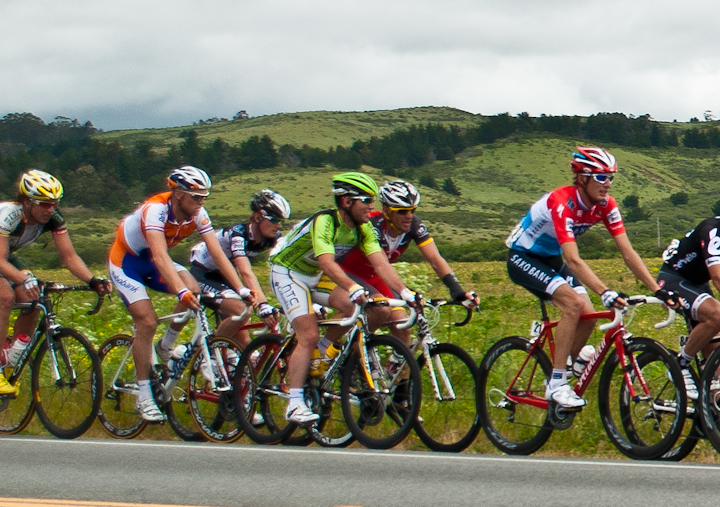
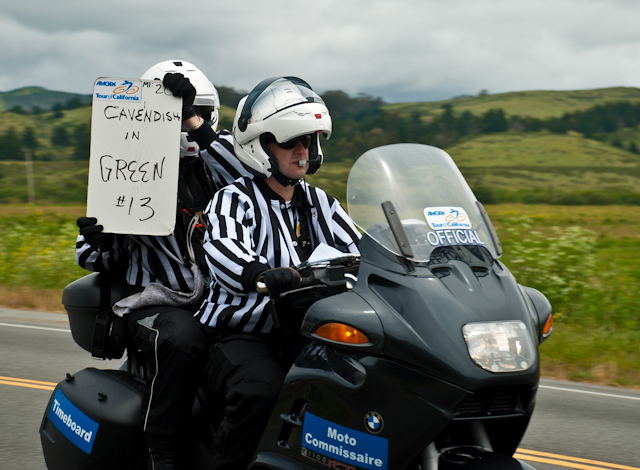
Mark Cavendish in green rid­ing along side Lance Arm­strong

Access gives many sports pho­tog­ra­phers an edge. Court­side in bas­ket­ball, on the side­line for foot­ball or where ever that cov­et­ed sweet spot is will give you the best chance of get­ting a great shot. So I think the Tour of Cal­i­for­nia bike race is dif­fer­ent. It comes to me, right through my home town — right down my street. There are no fences to block my shot and no press pass is need­ed. It’s not quite that easy.

The first thing to think about is if you want a par­tic­u­lar angle on the rid­ers or a cer­tain back­ground, get­ting both is dif­fi­cult. You scout your area days in advance and you run into oth­er pho­tog­ra­phers doing the same.

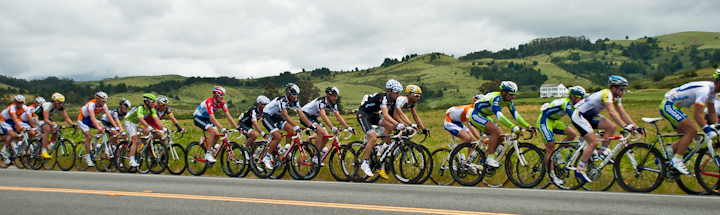
The pele­ton pass­es by the his­toric John­ston House

Then you must con­sid­er road clo­sures. The police and the pele­ton are most unpre­dictable. The best bet is to get there ear­ly and bring some food and a chair.

Research the race and rid­ers. Know their col­ors. It helps if you can fol­low the race on your smart phone as they approach. Is there a break-away group? Is there a sprint or feed­ing sta­tion near­by. All these fac­tors may affect if you want a fierce rac­ing shot or one of every­one sit­ting up, eat­ing and throw­ing half emp­ty water bot­tles at you. Then again, they may not.

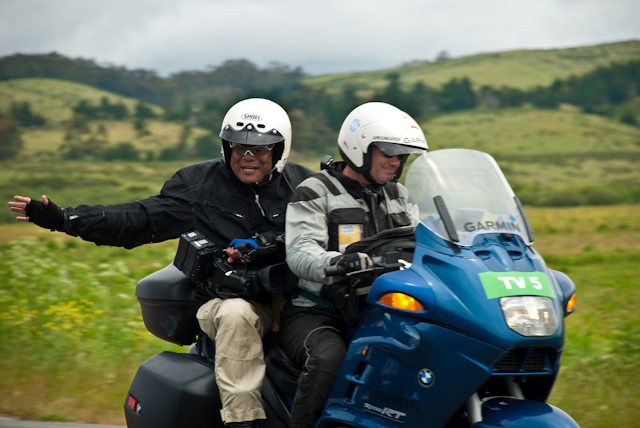
Unless you pho­to­graph bik­ers every week­end, there is no time to prac­tice. If you are smart, you prac­tice by shoot­ing all the sup­port vehi­cles, press motor­cy­cles and police that go by before the rid­ers. That is not a bad idea because, no soon­er that you see the rid­ers approach­ing, they are on top of you and then they are gone.

Access helps you get the shot

Keep both eyes open so as not to miss any­thing, trip over some­one else, get in the way or be hit by a vehi­cle.

Scout­ing the route, I decid­ed to show some­thing of Half Moon Bay and also try for a shot on the Tuni­tas Creek hill climb. I tried to get the rid­ers with the green hills and the his­toric John­ston house in the back­ground and was suc­cess­ful. Are they in focus? Not very. A faster cam­era would help.

I then jumped in my car and drove up to Wood­side where Tuni­tas Creek cross­es Sky­line dri­ve hop­ing to park, walk down the hill and get a shot of each rid­er’s faces show­ing the pain of the climb.

I was lucky to get a non-mud­dy park­ing spot about a half mile from the inter­sec­tion. The top of this moun­tain was in the clouds. Water dripped from the trees and down my back as I pro­tect­ed my cam­era under my coat. A thou­sand peo­ple crowd­ed the inter­sec­tion, many shiv­er­ing in bik­ing attire. Bicy­cles cov­ered every bit of ground that was­n’t occu­pied by spec­ta­tors. As I approach, the Amgen van dri­ves through say­ing the rid­ers are one mile away. Holy Moly, I want­ed to hike down the road a mile or 2 to get my shots.

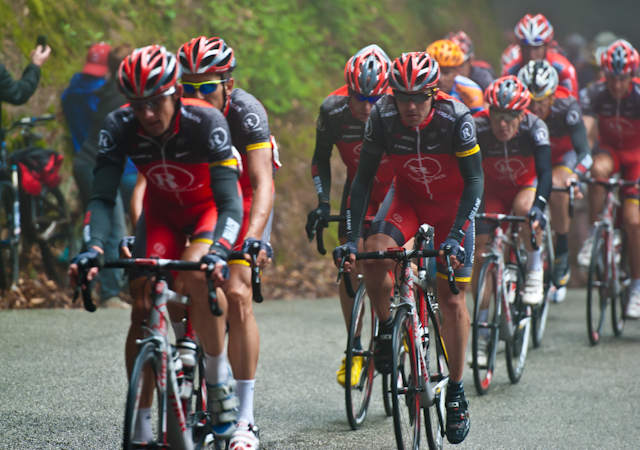
I squeezed through to the mid­dle of the street and high­tailed it down hill, dodg­ing police on motor­cyles and speed­ing sup­port cars loaded with spare bikes. I found a break in the red­wood trees that let in a lit­tle bit of light through the fog and took my place along side a dozen oth­er pho­tog­ra­phers look­ing for the same shot, and just in time. Bal­anc­ing on a small mound, a steep slide of mud on one side and the road on the oth­er, I squeezed off a few blur­ry shots between the oth­er pho­tog­ra­phers as the pele­ton roared by.

Lance (sec­ond from left) with the pele­ton out of the fog on Tuni­tas Creek road. A fel­low pho­tog­ra­ph­er on the right

That Tuni­tas Creek climb was noth­ing for these stel­lar atheletes. Here, I’m think­ing about the Pyre­nees in France and how it tests the Tour de France rid­ers. They should be spread out, strug­gling up the hill, mov­ing rel­a­tive­ly slow with pained con­cen­tra­tion on their face. Think again.

I scored a few pic­tures and learned a few lessons. All is good. Maybe, the climb out of San Jose to Modesto will give me those shots I want. Or stak­ing out a cor­ner at a time tri­al would pro­vide some great oppor­tu­ni­ties. Those van­tage points were more of a com­mit­ment than I had time for this year.

Team Radio Shack on Tuni­tas Creek road
Walk towards the light... frame and shoot!