Category Archives: Uncategorized

Learning to Focus — Part 3

Tripods

You must own a tri­pod! That 3 legged sup­port struc­ture is one of the old­est tools known to mankind. They hold pots over a fire, were used in sac­ri­fi­cial cer­e­monies and sup­port machine guns in war time.

Now, tripods pro­vide portable sta­bil­i­ty and sharp­er images for a vari­ety of pho­to­graph­ic tech­niques. Long expo­sure pic­tures tak­en in low light that would blur if the cam­era moved can be sharp and vibrant with the sta­ble sup­port of a tri­pod. A tele­pho­to lens will ampli­fy any cam­era move­ment and eas­i­ly blur your pic­ture. A tri­pod, and, in fact, any sta­ble sur­face, can help keep those pic­tures in focus.

Note: Nikon rec­om­mends that you turn off Vibra­tion Reduc­tion (VR) when using a tri­pod. VR starts a gyro­scope when you hold the shut­ter release down halfway that helps sta­bi­lize a hand held cam­era, but can induce move­ment and vibra­tion when the cam­era is sup­port­ed on a tri­pod, espe­cial­ly when using a tele­pho­to lens.

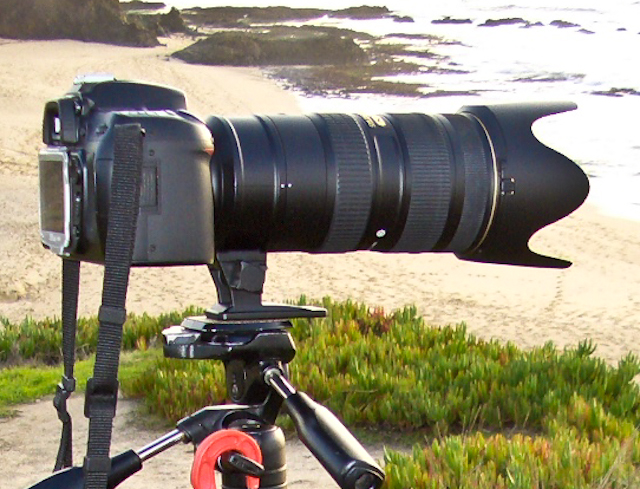
Heavy lens­es come with their own tri­pod mount­ing brack­et to cor­rect­ly bal­ance the weight.

Tripods come in a vari­ety of sizes, strength and qual­i­ty as do the cam­era mount heads. What you need depends on your cam­era and appli­ca­tion and is beyond the scope of this post. Suf­fice it to say that heav­ier cam­eras require stronger (and more expen­sive) tripods. Here is a nice infor­ma­tion­al arti­cle on Wikipedia.

But there are tips to improve the per­for­mance of any tri­pod. First, check the bot­tom of your cam­era. Most have the stan­dard size (1/4 inch, 20 threads per inch) screw sock­et, ready to attach to a stan­dard tri­pod. Cam­era mount­ed? Let’s go.

Keep your tri­pod short. Short­er is more sta­ble. I do not extend the legs any longer then I need to. And I only raise the cen­ter pole as a last resort!

Add weight. Since a heav­ier sup­port is more sta­ble, you can improve the per­for­mance of your inex­pen­sive tri­pod by hang­ing weight from the cen­ter. Some tripods include a hook at the bot­tom of the cen­ter pole. I car­ry a bungie cord for this pur­pose and use my cam­era bag as the weight. Tying the tri­pod to a secure point embed­ded in the ground is even bet­ter but less portable. This is a big help for long expo­sures.

A lit­tle weight can help sta­blize a lighter tri­pod.

If it is windy, I will stand upwind with my coat open like a flash­er try­ing to pro­tect the cam­era from mov­ing. Every lit­tle bit helps.

Small tripods for small cam­eras are use­ful too. Goril­la Pod makes a pop­u­lar flex­i­ble leg tri­pod that will wrap around a pipe or chair back.

This size Goril­la pod is per­fect for my Flip cam­era.

Some peo­ple make their own tripods. You can see a wide vari­ety at Instructables.com.

I find that an unin­tend­ed advan­tage to using a tri­pod is that it slows me down. Mov­ing and fram­ing takes more effort and I find myself spend­ing extra time think­ing through the shot.

You might want to add a mono pod to your col­lec­tion. They add sta­bil­i­ty, are easy to car­ry and can be used in places where tripods would be awk­ward or for­bid­den. Even using a mono pod, I look to sup­port it against some­thing sol­id, such as a rail­ing. Place the base firm­ly against your foot or even inside your shoe. And, again, short­er is more sta­ble. Only extend it as far as you need to.

The idea is you can improve the sharp­ness of your pho­tographs sim­ply by cre­at­ing a pos­i­tive sta­ble plat­form for the cam­era, whether it be on a $1000 tri­pod or the top of a fence post.

More focus to come…

Learning to Focus — Part 2

Cam­era Move­ment

Anoth­er seem­ing­ly obvi­ous bit of advice is to not move the cam­era while tak­ing the pic­ture. The small size and live view LCD screens on point and shoot cam­eras make it a chal­lenge to hold those cam­eras steady. While elec­tron­ic inno­va­tions such as Image Sta­bi­liza­tion (to be cov­ered lat­er) are extreme­ly help­ful and work well, mov­ing the cam­era can and will reduce the sharp­ness of your pic­tures. Take pos­i­tive con­trol and keep that cam­era still.

Shut­ter speed can over­come cam­era move­ment and will be cov­ered in anoth­er post.

Com­pos­ing the pic­ture on the LCD screen on the back of the cam­era seems like a great idea. But hold­ing the cam­era out at arm’s length is an unsta­ble pos­ture. And then you push on the top of the cam­era to take the shot. Grav­i­ty, mass, bal­ance and iner­tia are all work­ing against your efforts to keep that cam­era still and cap­ture a sharp pic­ture.

I moved the cam­era before this 8 sec­ond shot had fin­ished.

One solu­tion is to use the view find­er, if you have one. Plac­ing the view find­er to your eye adds a point of con­tact and helps steady the cam­era. If your cam­era does not have a view find­er, well, I sug­gest you look for one on your next cam­era.

Oth­er­wise, steady your arms by lean­ing against any­thing, put your elbows on a table, or your shoul­der against a wall. Keep your arms close to your body.

Push­ing the shut­ter release is the next prob­lem. Tiny cam­eras held at arm’s length will move as you take the pic­ture. Remem­ber (from part 1) to push the release halfway and wait for aut­o­fo­cus to do its’ thing. This is when Image Sta­bi­liza­tion works too. Now you only need a tiny bit more pres­sure to take that shot.

DSLRs have more heft and are eas­i­er to hold steady, that is unless you have been shoot­ing all day, then it feels like a lead weight. I rec­om­mend using live view only when you need it, like to shoot over the heads of a crowd using that fan­cy swing out and swiv­el LCD screen. Oth­er­wise, use the view find­er to get that extra con­tact point. Keep your arms close to your side. Lean against some­thing, espe­cial­ly when using slow shut­ter speeds. Prop the cam­era itself against the wall too for an addi­tion­al con­tact point. One foot for­ward is more sta­ble then side by side. The more sta­ble you hold the cam­era, the slow­er the shut­ter speed you can get away with and the low­er the ISO you can use.

Even your breath­ing can cre­ate cam­era move­ment. That is what makes the biathlon an Olympic sport. The ath­letes con­trol their breath­ing to steady their aim. Pho­tog­ra­phy is not yet an Olympic event but to get every ounce of sharp­ness, think about your breath­ing while shoot­ing. Just before tak­ing the pic­ture, take an easy breath, let half out, hold it and snap the shot.

The mes­sage here is to think about how to steady your cam­era with every shot. It is some­thing you can con­trol. Do not rely total­ly on Image Sta­bi­liza­tion, auto focus, high ISO and a fast shut­ter speed, not if you are aim­ing for the sharpest pic­ture you can get.

More focus to come…

Learning to Focus — Part 1

Tack sharp focus, Unsharp mask, out-of-focus, bokeh, Gauss­ian blur, motion blur, shal­low focus, depth of field, soft focus. These are all terms used to define the qual­i­ty of the sharp­ness of a pic­ture. And they are all good key­words to have in the begin­ning of this post.

Pho­tog­ra­phers may artis­ti­cal­ly use the full range, from exact focus to com­plete­ly blurred, often in a sin­gle pic­ture. As you will see, there is quite a bit to think about and my inten­tion is to explore and doc­u­ment the var­i­ous tech­niques used to achieve that desired focus on a con­sis­tent basis. As always, this blog is pri­mar­i­ly for my own edu­ca­tion. And I hope you ben­e­fit as well.

In focus or out of focus, it’s your choice.

I will start this mul­ti-part jour­ney sim­ply. Folks show me their pic­tures and I enjoy look­ing at them. So many are unin­ten­tion­al­ly out of focus, often due to the sim­ple mis­un­der­stand­ing of how mod­ern cam­eras use auto focus.

Push the shut­ter release halfway down and hold it there before tak­ing the pic­ture. This acti­vates the auto focus and auto expo­sure func­tions and allows the cam­era time to adjust to a gen­er­al­ly good pic­ture.

This seemed obvi­ous to me, until I met some­one that did not real­ize that this is how cam­eras work. There was instant and dra­mat­ic improve­ment in their pic­tures when I point­ed this out. This instruc­tion is prob­a­bly on the first page of the first chap­ter of your cam­era man­u­al, but many peo­ple do not real­ize its’ impor­tance. Many folks are used to Insta­mat­ic cam­eras with fixed lens­es. That shut­ter release has only one func­tion, to release the shut­ter. When they buy their first point and shoot cam­era, they assume it works in a sim­i­lar man­ner.

There is more to this halfway shut­ter release that we will use in a vari­ety of focus­ing tech­niques. It also per­forms oth­er func­tions. If you are view­ing a pic­ture or have the menu up on the LCD screen, it resets the cam­era in prepa­ra­tion to take a pic­ture. It turns on teleme­try in the view find­er or an infor­ma­tion win­dow so you can check a vari­ety of set­tings. It is the most used func­tion on dig­i­tal cam­eras and cru­cial for get­ting the most out of auto focus.

More to come…

What camera should I buy? Part 2

Let’s assume that you will buy a new cam­era. If you are going to cre­ate seri­ous art, sell your ser­vices for wed­dings and por­traits or even make it a seri­ous hob­by, an SLR (prob­a­bly a dig­i­tal) will best suit your needs. They allow you the most cre­ative options with large image sen­sors, inter­changi­ble lens­es, fil­ters and attach­ments.

On the oth­er hand, if you are look­ing to doc­u­ment your life, want ease of use and the best qual­i­ty a point and shoot cam­era can deliv­er, con­sid­er the Canon G12, the Nikon P7000 or the Pana­son­ic Lumix DMC-LX5.

These top of the line point and shoot cam­eras are what many pro­fes­sion­al pho­tog­ra­phers car­ry when they are not work­ing. They take excel­lent pic­tures and allow full man­u­al con­trol. The specs are slight­ly dif­fer­ent for each cam­era, but they have Image Sta­bi­liza­tion, 5x to 7x zoom, HD video, hot shoes and are as good as a point and shoot gets in low light. Lens­es are not inter­changi­ble, elim­i­nat­ing that con­cern mak­ing them much eas­i­er to car­ry.

I do not own any of these cam­eras but one is on my wish list. The links take you to Ama­zon where you can read many user reviews and asso­ci­at­ed com­ments your­self.

You will see many cheap­er point and shoot cam­eras.  When you eval­u­ate their fea­tures and qual­i­ty, these are the cam­eras that they should be com­pared to.

What camera should I buy?

It seems every­one wants a bet­ter cam­era and I am often asked for advice on what cam­era they should buy. Con­sid­er­ing the sheer num­ber and vari­ety of cam­era types, I tend to respond with a series of ques­tions. Will you be cre­at­ing seri­ous art or casu­al­ly doc­u­ment­ing your fam­i­ly vaca­tions and how much mon­ey can you spend are usu­al­ly the first few. Sev­er­al more ques­tions fol­low before I sug­gest some inter­net search­ing.

But I have recent­ly added a ques­tion to that list that I often ask myself when­ev­er I get the urge to pur­chase the lat­est tech­ni­cal­ly advanced offer­ing. Am I get­ting the most out of the cam­era I own? Do I under­stand every­thing my cam­era can do? Am I tak­ing advan­tage of those fea­tures I have? Am I get­ting excel­lent pic­tures and, if not, is it the cam­er­a’s fault or mine?

Be hon­est. Will I use the new fea­tures? Can I afford the acces­sories, the addi­tion­al lens­es, the tax and the ship­ping and insur­ance? Will I auto-mag­i­cal­ly get bet­ter pic­tures?

To me, pho­tog­ra­phy is about com­po­si­tion and expo­sure. All cam­eras help with expo­sure but they have their lim­its. You will often get a bet­ter pic­ture if you take some lev­el of man­u­al con­trol over the expo­sure set­tings. Your present cam­era will most like­ly allow you to do that. Com­po­si­tion is entire­ly up to you and has lit­tle to do with the cam­era. And again, you want the abil­i­ty to take con­trol over the auto­mat­ic func­tions, like focus­ing for exam­ple, as you com­pose the pho­to­graph. More zoom is nice, but you can move clos­er too. You will need these skills with the new cam­era as well.

Tak­en with a Nikon D80, 70–300mm f/4.5–5.6, ISO 100 and a shut­ter speed of 0.6 seconds.Taken from about 60 feet away in a fair­ly dark grove of euca­lyp­tus trees. The D80 is not known for low light per­for­mance. Cropped and tweaked in Pho­to­shop.

So, study your cam­era first. Read the man­u­al. Under­stand every mode and how to push your cam­er­a’s lim­its. Two things will hap­pen, you will con­firm what you real­ly need in a new cam­era and bet­ter yet, you will instant­ly take bet­ter pic­tures.

Get more out of your cam­era by exper­i­ment­ing. Pro­fes­sion­al pho­tog­ra­phers would save the last frame on their film to exper­i­ment with set­tings. Do that any time you have your cam­era in hand (and after you get the impor­tant shots you went out to take).

If you tru­ly need a bet­ter cam­era for an event, rent what you are con­sid­er­ing buy­ing and test it out. You just might find that your present cam­era is not so bad. I find the claims a bit exag­ger­at­ed on all the cam­eras I’ve rent­ed. Then search the forums for the opin­ions of oth­ers.

Maybe take that mon­ey and upgrade your com­put­er or soft­ware. Take class­es. Study com­po­si­tion, col­or and Pho­to­shop. Invest in a new lens. A qual­i­ty lens on a mediocre cam­era will take bet­ter pic­tures then a ter­ri­ble lens on a good cam­era.

Once you are get­ting every­thing you can out of your present cam­era, a new one can take you to the next lev­el. Check out this arti­cle by Scott Bourne to help your search. But first, con­sid­er these thoughts. They might make more dif­fer­ence to your pho­tog­ra­phy then a new cam­era body.

Part 2 — Some Point and Shoots are Bet­ter Than Oth­ers

Answer — Friday Foto Quiz #19

It’s Mon­day, but a week late on this answer. I’ll take a break from the quiz and write some deep thoughts on pho­tog­ra­phy for your read­ing plea­sure and my own edu­ca­tion. Scroll on down.

We vaca­tioned in North­ern Cal­i­for­nia last sum­mer to full­fill Lori’s fish­ing needs. I cap­tured some nice shots and read Carl Sagan’s “Demon Haunt­ed World”. I took a series of pic­tures of a small riv­er and for­est that I think will make a real­ly nice panora­ma.

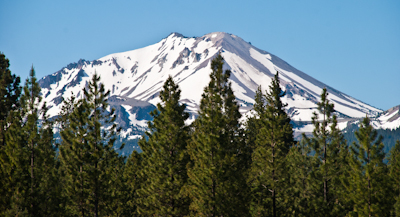
Lassen Vol­canic Nation­al Park was most­ly closed due to heavy snow. It is home to a poten­tial­ly active vol­cano seen here reflect­ed in Man­zani­ta Lake. It is a short hike to take this pic­ture. The park is anoth­er exam­ple of the many dra­mat­ic nat­ur­al land­scapes found in the Unit­ed States. Slight­ly out-of-the-way, this area sees less tourist traf­fic and can make for a relax­ing yet faci­nat­ing vaca­tion.

Answer — Friday Foto Quiz #18

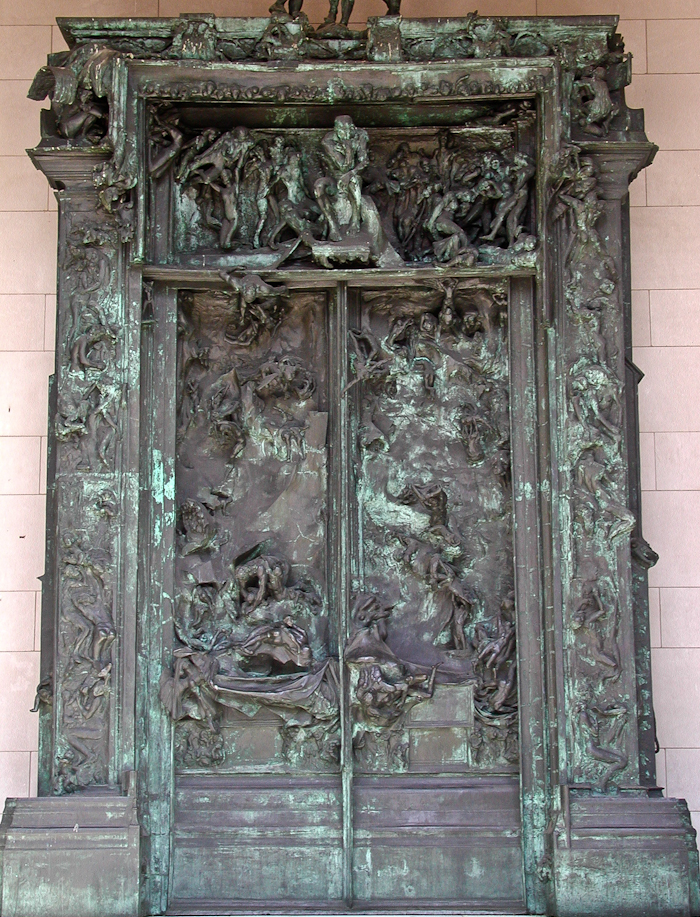
Yes, this is “The Thinker” by Rodin. If you are good with Wikipedia and Google Maps, you could pos­i­tive­ly iden­ti­fy the loca­tion from the see­saw sign in the back­ground. Scroll down for more.

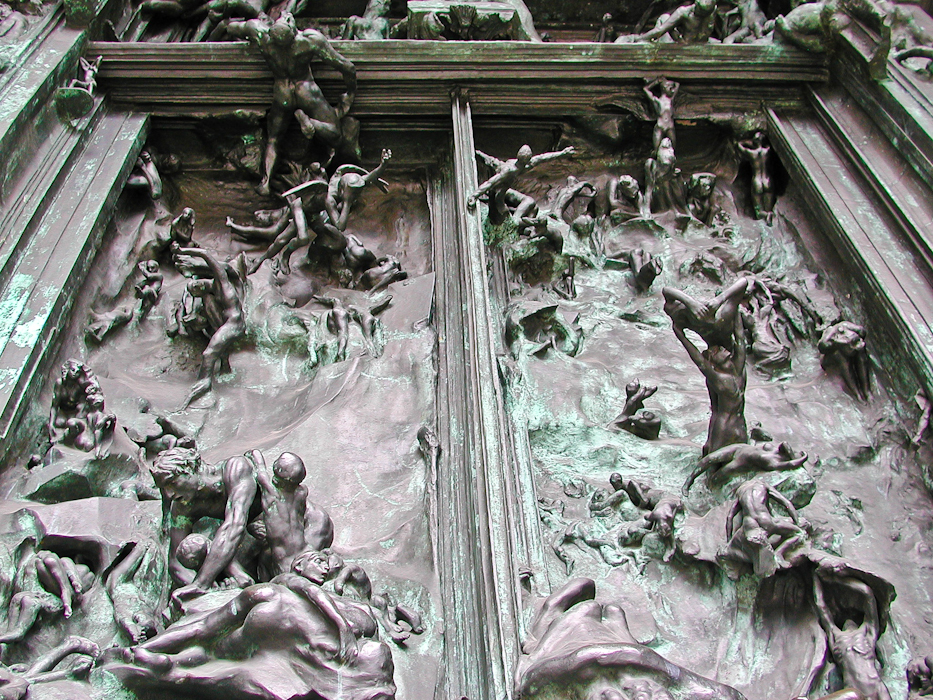
Orig­i­nal­ly named “The Poet”, the sculp­ture por­trays Dante con­tem­plat­ing his poem about the gates of hell  depict­ed below at the same loca­tion.

These pic­tures were tak­en at the Rodin Muse­um in Philadel­phia. There are 10 full size bronze ver­sions of The Thinker in the Unit­ed States, 2 of them in the bay area at Stan­ford Uni­ver­si­ty and the Legion of Hon­or in San Fran­cis­co.

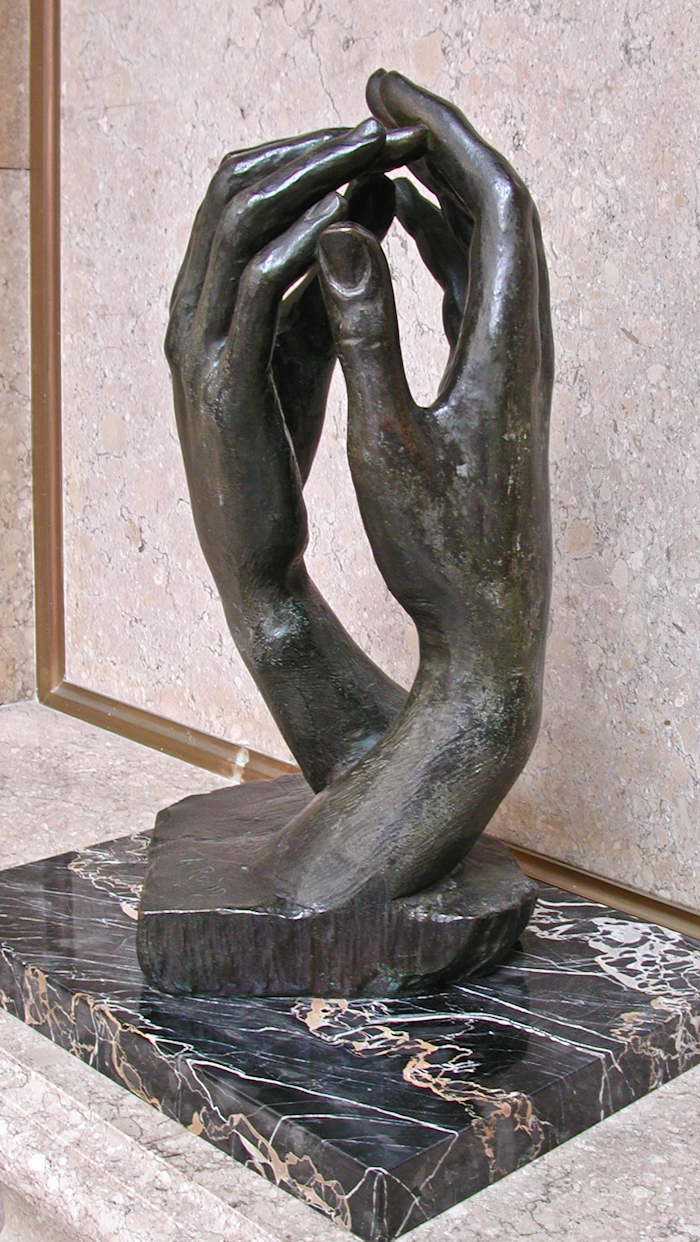
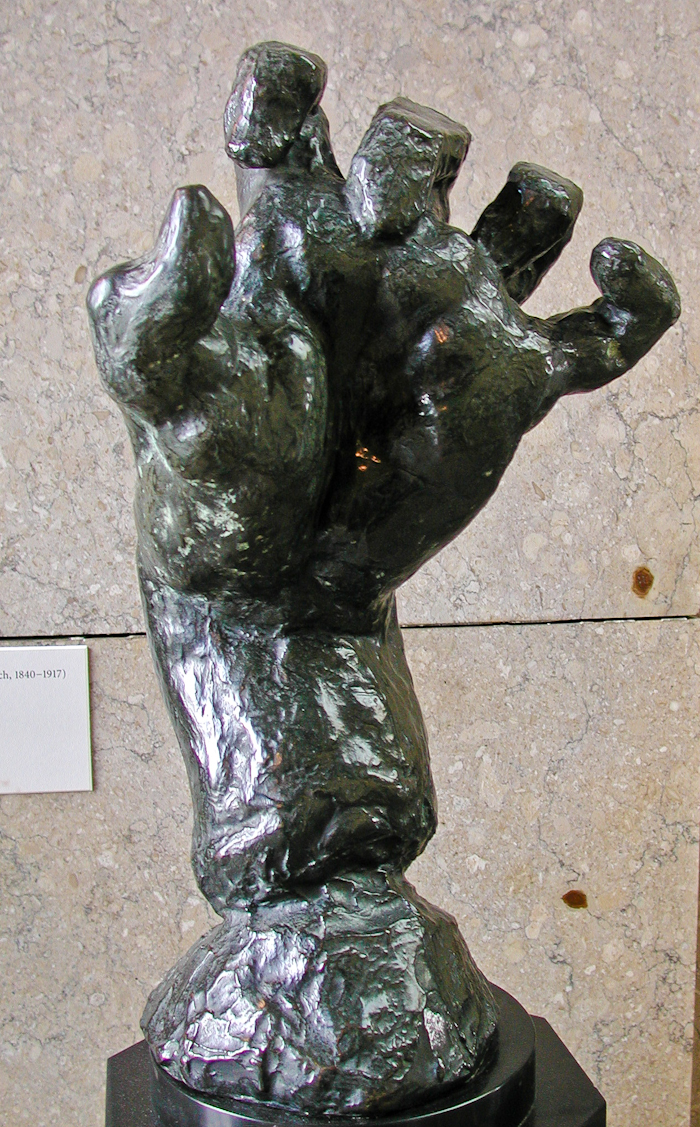
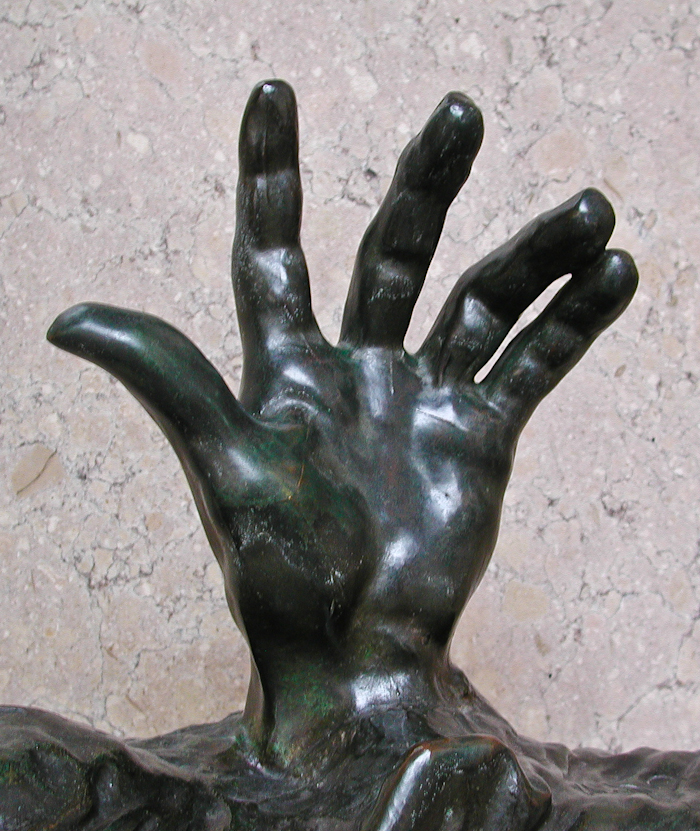
The muse­um in Philly had a large col­lec­tion of hand sculp­tures. I knew lit­tle about bronze sculp­tures before this vis­it. The orig­i­nals were carved in wax which are then used to cre­ate molds which in turn were used to cast the hol­low bronze stat­ues. A com­plex series of levers is used to exact­ly dupli­cate a sculp­ture into oth­er sizes. The orig­i­nal wax ver­sions are even­tu­al­ly lost.

The Ben­jamin Franklin Park­way in Philadel­phia hosts a great num­ber of excel­lent art, his­to­ry and sci­ence muse­ums. Check­’um out.

Answer — Friday Foto Quiz #17

Any idea where these trees are? Scroll down for more.


These trees are locat­ed in Fer­n­dale, Cal­i­for­nia and are local­ly known as Coast Cyprus or Gum­drop Trees. I have found lit­tle infor­ma­tion about that species on the inter­net but they were fun to look at and must be quite a trick to main­tain. Fer­n­dale is a great lit­tle town filled with Vic­to­ri­an style houses.We stopped by on the 4th of July dur­ing a wind­ing tour of North­ern Cal­i­for­nia back in 2006 (I think). Thanks for play­ing!